Beauty Cream Packaging
In the world of beauty products, the packaging of beauty creams is more than just a container—it's a critical element that influences consumer perception, brand identity, and product preservation. Whether you're a beauty enthusiast or a brand owner, understanding the intricacies of beauty cream packaging can enhance your appreciation of this seemingly simple yet highly complex component.
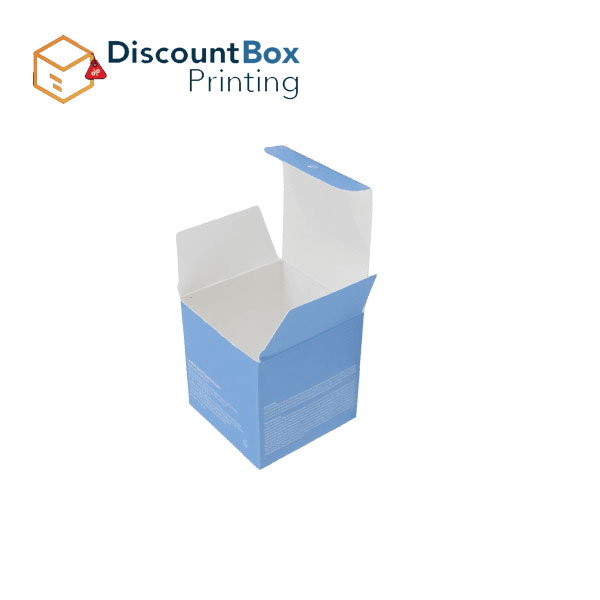
The Role of Packaging in Beauty Products
First impressions matter: When it comes to beauty products, the packaging is often the first thing that catches a consumer's eye. It's a key player in attracting attention and making a product stand out on the crowded shelves of beauty stores.
Protection and preservation: Beyond aesthetics, packaging is vital in protecting the product from contamination and preserving its quality. Adequate packaging ensures the cream remains fresh and compelling for as long as possible.
Types of Beauty Cream Packaging
Jars
Glass jars are a popular choice for high-end beauty creams. Glass is perceived as a luxury material, offering a premium feel and an aesthetic appeal that aligns with the luxurious nature of many beauty products. However, Glass is heavier and more fragile than other materials, which can be a downside.
Plastic jars: Plastic is lightweight and less prone to breaking, making it a practical choice for many brands. Advances in plastic technology have allowed for various textures and finishes, from glossy to matte, adding to the visual appeal.
Tubes
Squeeze tubes: These are convenient for on-the-go use. They are typically made of flexible plastic, allowing for easy dispensing. Squeeze tubes are ideal for creams that must be applied in small, controlled amounts.
Airless tubes: These provide a significant advantage in preserving the cream's integrity by minimizing exposure to air and contaminants. They are particularly beneficial for products with active ingredients that can degrade when exposed to oxygen.
Bottles
Pump bottles: Pump bottles are user-friendly and help dispense the right amount of product without contamination. They are commonly used for liquid or gel-based creams.
Dropper bottles: These are often used for serums or lightweight creams. The dropper allows for precise application, which is ideal for targeted treatments.
Materials Used in Beauty Cream Packaging
Glass
Advantages and disadvantages: Glass is non-reactive and provides a high barrier to moisture and oxygen, making it an excellent choice for preserving product integrity. However, its fragility and weight can be drawbacks, especially for shipping and handling.
Plastic
Types of plastic used: Common types include PET (Polyethylene Terephthalate), HDPE (High-Density Polyethylene), and PP (Polypropylene). Each type offers different levels of durability, flexibility, and barrier properties.
Environmental impact: Plastic is versatile and cost-effective but has significant ecological implications. Many consumers and brands seek recyclable or biodegradable plastic options to mitigate these effects.
Metal
When and why it’s used: Metals like aluminum are used for their strength and lightweight properties. They are also fully recyclable, which makes them an appealing choice for eco-conscious brands.
Design Considerations
Aesthetics
Color, shape, and texture: Packaging's visual and tactile elements can greatly influence consumer perception. Bright colors and unique shapes can catch the eye, while a luxurious texture can convey a sense of quality.
Functionality
Ease of use and convenience: Packaging should be designed with the user in mind. Easy-to-open lids, ergonomic shapes, and dispensers that prevent contamination are all essential features.
Branding
How packaging reflects the brand identity: Packaging directly extends a brand’s identity. It should reflect the brand’s values, target audience, and market positioning. For example, a minimalist design might appeal to a high-end luxury brand, while vibrant, playful packaging could attract a younger demographic.
Sustainability in Beauty Cream Packaging
Eco-friendly materials: Increasingly, brands are turning to materials with a lower environmental impact, such as biodegradable plastics, recycled Glass, and sustainably sourced paper.
Recyclable and reusable packaging options: Designing packaging that can be easily recycled or reused helps reduce waste. Some brands also explore refillable packaging solutions to encourage consumers to reduce single-use plastic consumption.
Innovations in Beauty Cream Packaging
Innovative packaging: Incorporating technology into packaging, such as QR codes that provide product information or NFC tags for authenticity verification, is becoming more common.
Refillable and zero-waste solutions: Many brands are developing refillable containers and zero-waste packaging options to combat environmental concerns. These innovations appeal to eco-conscious consumers and help brands stand out in a competitive market.
Regulatory Considerations
Labeling requirements: Packaging must comply with regulations regarding ingredient lists, usage instructions, and safety warnings. Clear, honest labeling is crucial for building trust with consumers.
Safety standards: Packaging materials must be safe for use with cosmetic products. This includes ensuring that materials do not leach harmful substances into the product.
Case Studies of Successful Beauty Cream Packaging
Examples of brands with adequate packaging: Brands like Lush, The Ordinary, and Kiehl’s have been praised for their innovative and sustainable packaging designs. These brands demonstrate how effective packaging can enhance brand perception and customer loyalty.
Consumer Preferences
What customers look for in packaging: Consumers often look for packaging that is not only attractive but also functional and environmentally friendly. Ease of use, the ability to see the product, and eco-friendly credentials are all important factors.
Challenges in Beauty Cream Packaging
Balancing cost with quality: High-quality materials and innovative designs can be expensive. Brands must balance these costs with the need to keep products affordable for consumers.
Addressing environmental concerns: As awareness of environmental issues grows, brands face increasing pressure to adopt sustainable packaging solutions. This can be challenging, especially for smaller companies with limited resources.
Future Trends in Beauty Cream Packaging
Predicted changes and advancements: The future of beauty cream packaging will likely be dominated by sustainability and technology. Expect more biodegradable materials, smart packaging, and innovative refill systems as brands strive to meet consumer demands and regulatory requirements.
Conclusion
Beauty cream packaging is a multifaceted element that goes beyond mere aesthetics. It is crucial in product preservation, brand identity, and consumer satisfaction. As the industry evolves, the focus on sustainability and innovation will continue to shape the future of beauty cream packaging. Understanding these trends and considerations can enhance your appreciation and approach to beauty product packaging, whether you are a consumer or a brand.
FAQs
What are the most popular types of beauty cream packaging?
The most popular types of beauty cream packaging include jars (both Glass and plastic), tubes (squeeze and airless), and bottles (pump and dropper). Each type has its advantages depending on the product and brand requirements.
How can beauty cream packaging be made more sustainable?
Beauty cream packaging can be made more sustainable using eco-friendly materials such as biodegradable plastics, recycled Glass, and sustainably sourced paper. Additionally, incorporating refillable and reusable packaging options can significantly reduce waste.
What materials are commonly used in beauty cream packaging?
Common materials used in beauty cream packaging include Glass, various types of plastic (such as PET, HDPE, and PP), and metal (like aluminum). Each material has unique properties that make it suitable for different types of products and packaging designs.
Why is branding important in beauty cream packaging?
Branding is essential in beauty cream packaging because it reflects the brand’s identity and values, helps attract the target audience, and differentiates the product in a competitive market. Effective packaging design can build brand recognition and loyalty.
What are some recent innovations in beauty cream packaging?
Recent innovations in beauty cream packaging include innovative packaging with QR codes and NFC tags for product information and authenticity verification and refillable and zero-waste solutions to address environmental concerns. These innovations cater to the growing demand for sustainable and technologically advanced packaging options.
Comments
Post a Comment