Cosmetic Packaging
- Get link
- X
- Other Apps
Cosmetic packaging plays a crucial role in the beauty industry, encompassing functional and aesthetic aspects to appeal to consumers and ensure product integrity. Here are some key elements and considerations in cosmetic packaging:
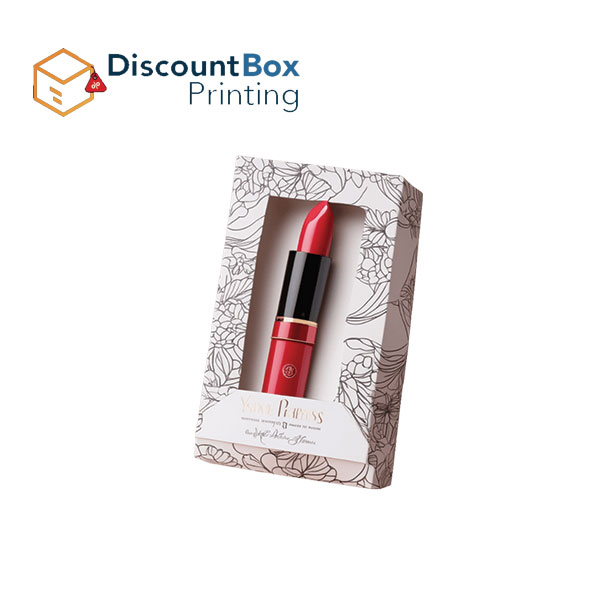
1. Types of Cosmetic Packaging
- Primary Packaging: Directly contains the product (e.g., bottles, jars, tubes).
- Secondary Packaging: Holds the primary packaging (e.g., boxes, cartons).
- Tertiary Packaging: Used for shipping and bulk handling (e.g., larger cartons, pallets).
2. Materials Used
- Plastic: Widely used due to its versatility, cost-effectiveness, and lightweight nature. Common types include PET, HDPE, LDPE, and PP.
- Glass: Preferred for its premium feel and inertness, making it suitable for products sensitive to chemical interactions.
- Metal: Metal is often used for its durability and high-end appeal, as seen in products like lipsticks and compact cases.
- Paper and Cardboard: Eco-friendly options for secondary packaging, often used to create sustainable and recyclable designs.
3. Design Considerations
- Functionality: Packaging must protect the product, ensure ease of use, and maintain the product's stability and integrity.
- Aesthetics: The design should reflect the brand’s identity and attract consumers. This includes color schemes, typography, and graphics.
- Ergonomics: Packaging should be user-friendly, allowing for easy application and handling.
- Sustainability: Increasingly important, brands are focusing on recyclable, biodegradable, and refillable packaging options.
4. Regulatory Requirements
- Labeling: Must include ingredients, usage instructions, expiration dates, and regulatory information to comply with local laws.
- Safety: Packaging materials must be safe and non-reactive with the product.
- Tamper-Evident Features: Necessary to ensure product safety and consumer trust.
5. Trends in Cosmetic Packaging
- Minimalist Design: Clean, simple designs that convey luxury and sophistication.
- Eco-Friendly Materials: A shift towards sustainable materials to meet consumer demand for green products.
- Refillable and Reusable Packaging: Promotes sustainability by reducing waste.
- Smart Packaging: Integration of technology, such as QR codes, to provide additional product information or interactive experiences.
6. Brand Differentiation
- Unique Shapes and Custom Designs: Stand out on the shelves and reflect the brand's unique identity.
- Limited Edition and Seasonal Packaging: Creates a sense of urgency and exclusivity.
- Collaborations: Partnering with artists or influencers to create special edition packaging that appeals to specific audiences.
Conclusion
Cosmetic packaging is a dynamic field that combines creativity, practicality, and sustainability. Successful packaging protects and preserves the product, enhances the consumer's experience, and reinforces brand identity. As trends and consumer preferences evolve, the cosmetic packaging industry innovates and adapt to meet new challenges and opportunities.
- Get link
- X
- Other Apps
Comments
Post a Comment